
Water, sanitation, and hygiene (WASH) are essential for human health and well-being
Water, sanitation, and hygiene (WASH) are essential for human health and well-being. They are fundamental to human rights and are critical for socio-economic development. And while WASH is critical for health, it’s also critical for the functioning of food systems: as a key input into food production, but also in processing and preparation, and as a food itself
Water, sanitation, and hygiene (WASH) are essential for human health and well-being. They are fundamental to human rights and are critical for socio-economic development. And while WASH is critical for health, it’s also critical for the functioning of food systems: as a key input into food production, but also in processing and preparation, and as a food itself
| Find out what we do in WASH | WASH projects |
| Water interventions | WASH project in Kyaka II Refugee Settlement |
| Sanitation interventions | |
| Hygiene interventions |
water sanitation and hygiene (wash)
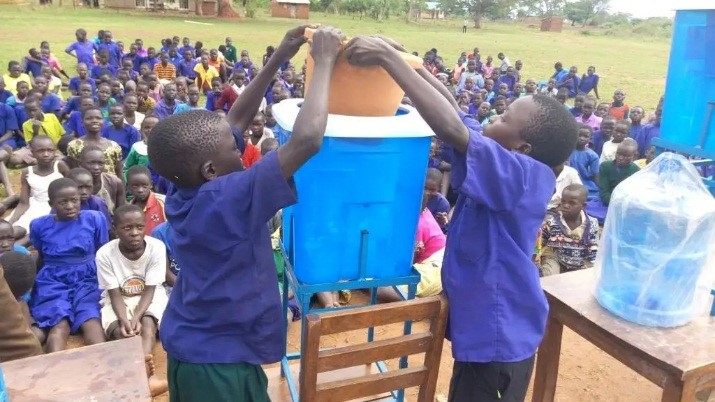
| Rainwater harvesting systems | Water treatment and filtration | Underground water harvesting and construction of protected water springs |
| AAID supports schools and health centers to install rainwater collection systems to provide a reliable source of clean water for drinking, handwashing, and sanitation. | AAID provides water treatment and filtration systems to ensure access to safe and clean drinking water. | AAID constructs bore holes, shallow wells and protected water springs |
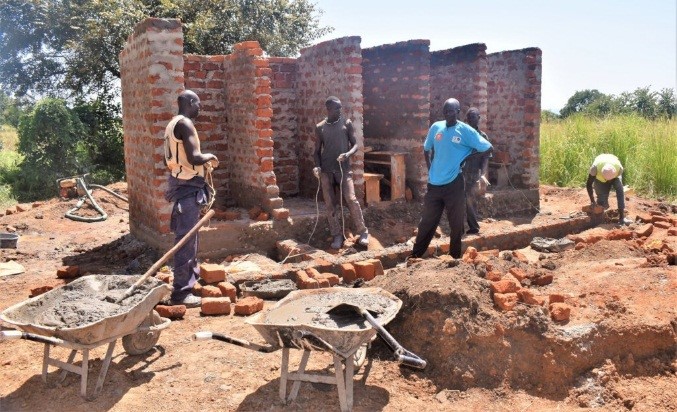
Toilet construction and rehabilitation
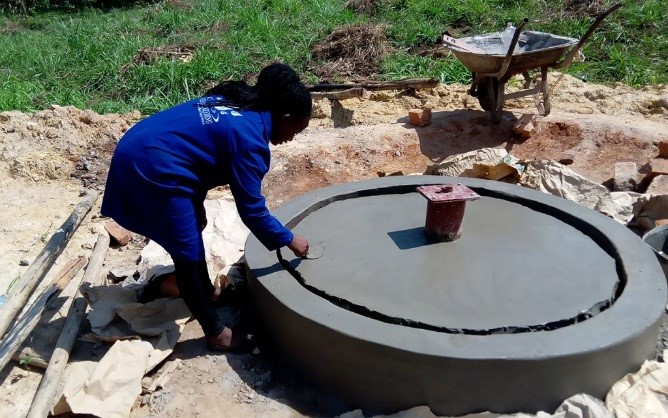
| Toilet construction and rehabilitation | Sanitation facilities for girls |
| Build or renovate toilets to ensure they are safe, accessible, and well-maintained. | Ensure that schools have separate, safe, and private sanitation facilities for girls to promote menstrual hygiene management. |
Water supply
Water supply and Environmental sanitation.
This department has the following components;
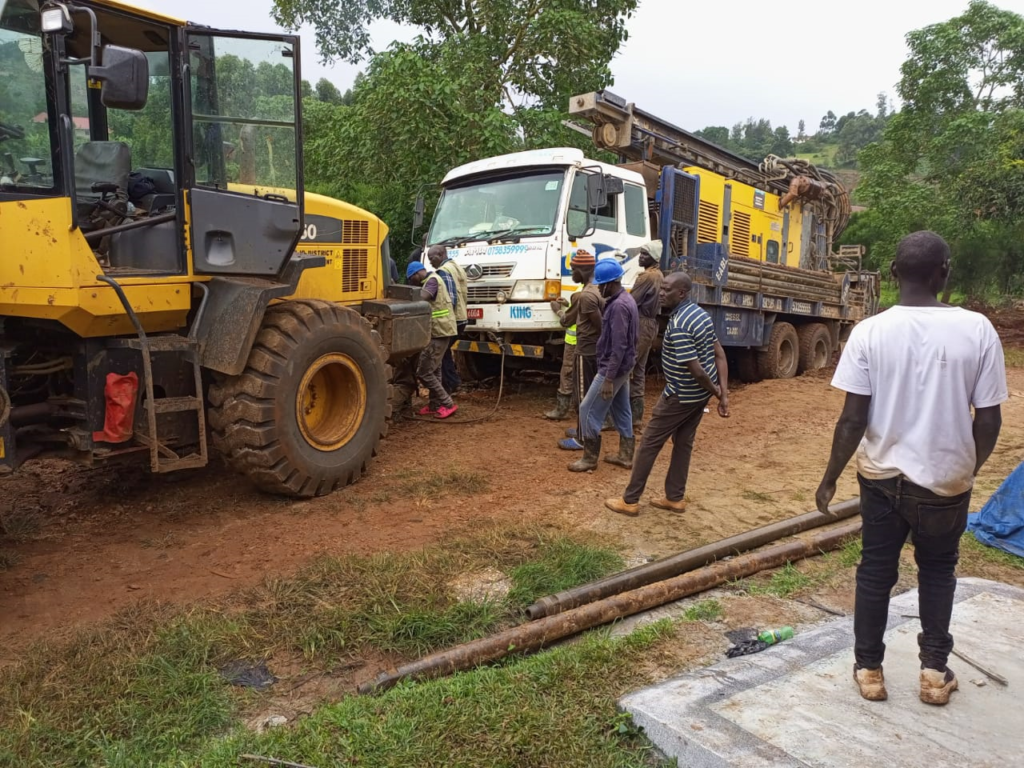
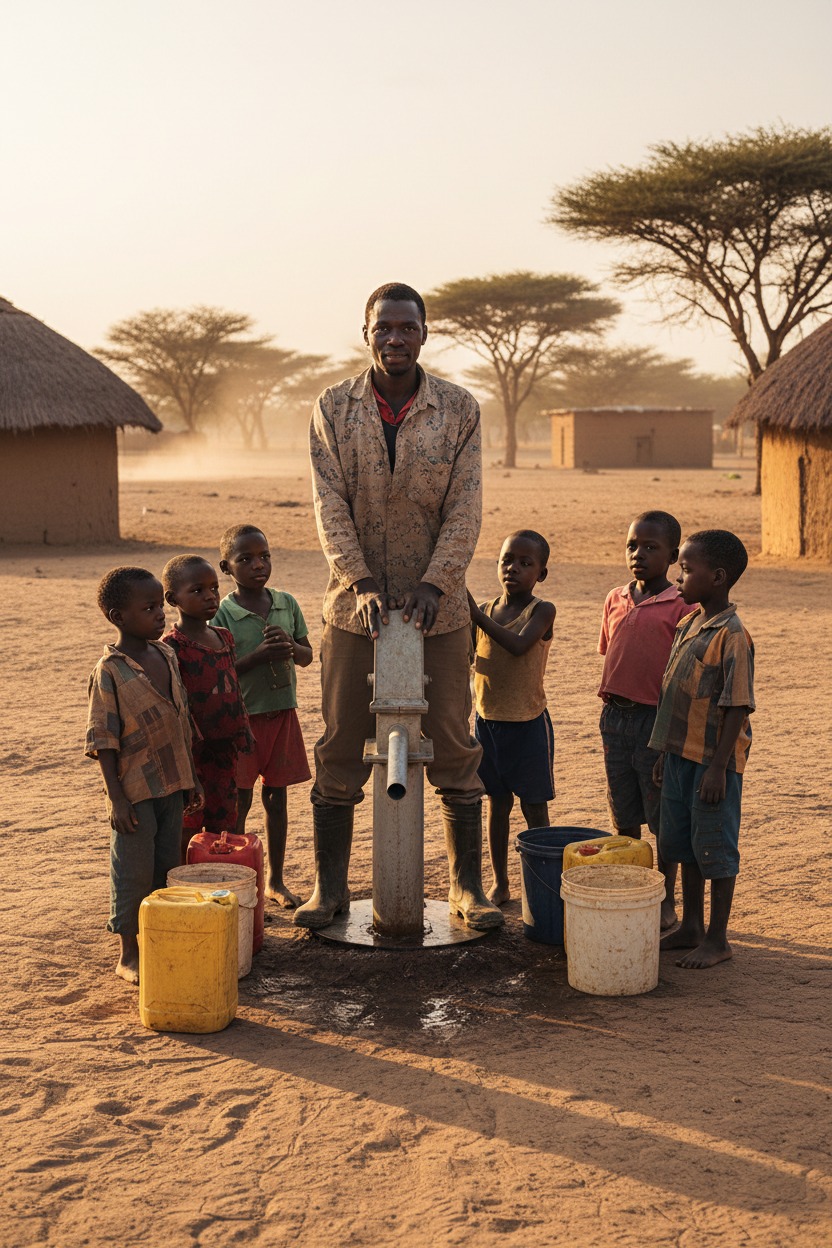
Construction of boreholes and shallow wells, to enable village people to fetch water for domestic consumption.
Improve community access to safe water sources, by putting in place effective measures, through protection of existing unprotected water sources involving local leaders, and households in mobilization and participatory, monitoring of project activities.
Putting in place, reviving or strengthening water user committees for the purpose of sustainability of water and sanitation facilities.
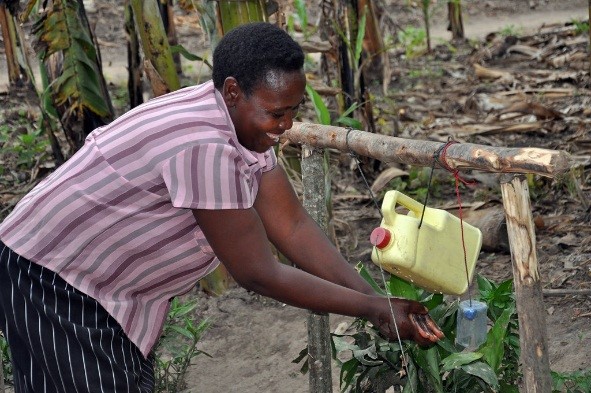
Promote behavioral change and community based hygiene through strategic hygiene education, regular dialogue with different community members and income improvement campaigns. This is done through village health committees, who we train and equip with basic knowledge on water, hygiene and sanitation.
The Benefits of Clean Water Influence the Daily Lives of Children and Adults, and Impact the Quality of Life in a Community for Generations to Come
Many common health problems can be avoided by all of us if we simply drink more water.
Staying hydrated and drinking plenty of water helps to flush out wastes from our bodies.
Water is a transport medium for the nutrients our bodies need.
Body temperature (perspiration) is regulated by the amount of available water in our bodies.
Water also regulates the pH balance and supports a multitude of physiological processes.
Being well hydrated elevates our energy levels and can help alleviate headaches.
Severe dehydration causes a multitude of health problems, not the least of which are fatigue, depression, diabetes, high blood pressure, weakness, and loss of energy
water sanitation and hygiene (wash)
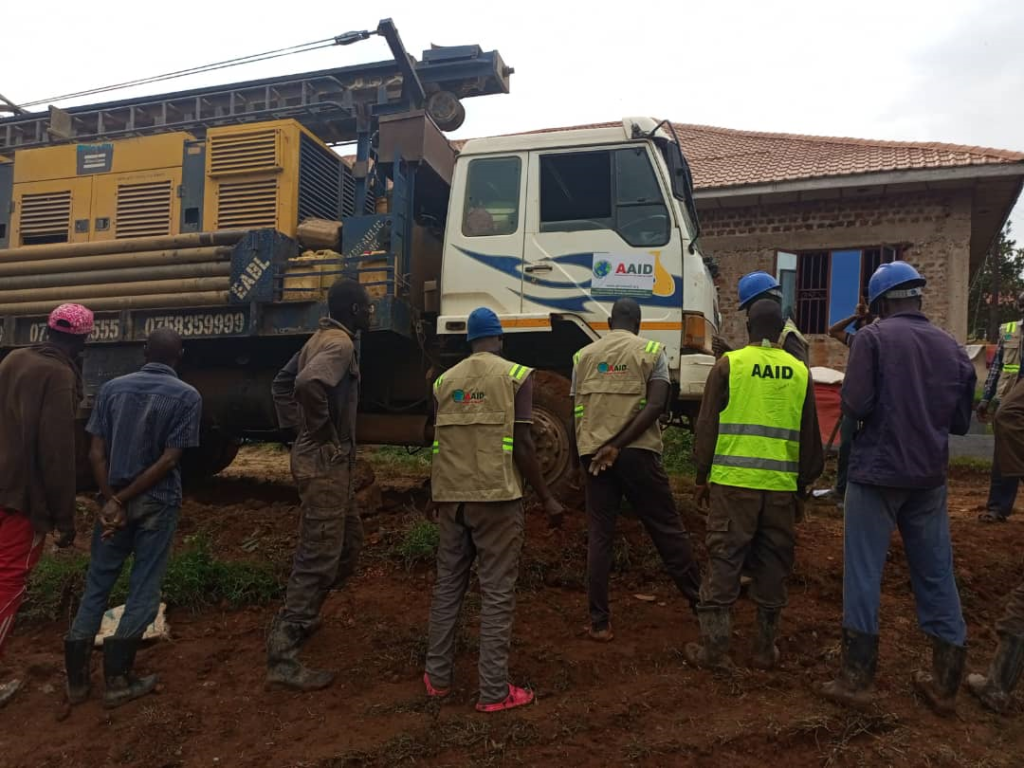
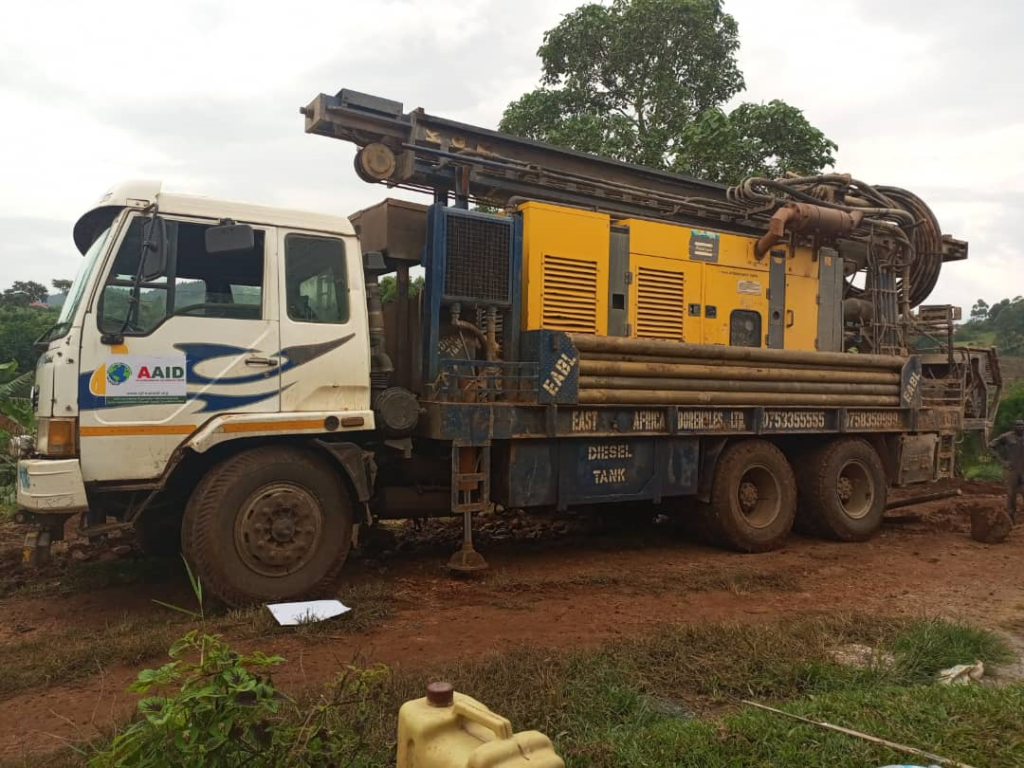
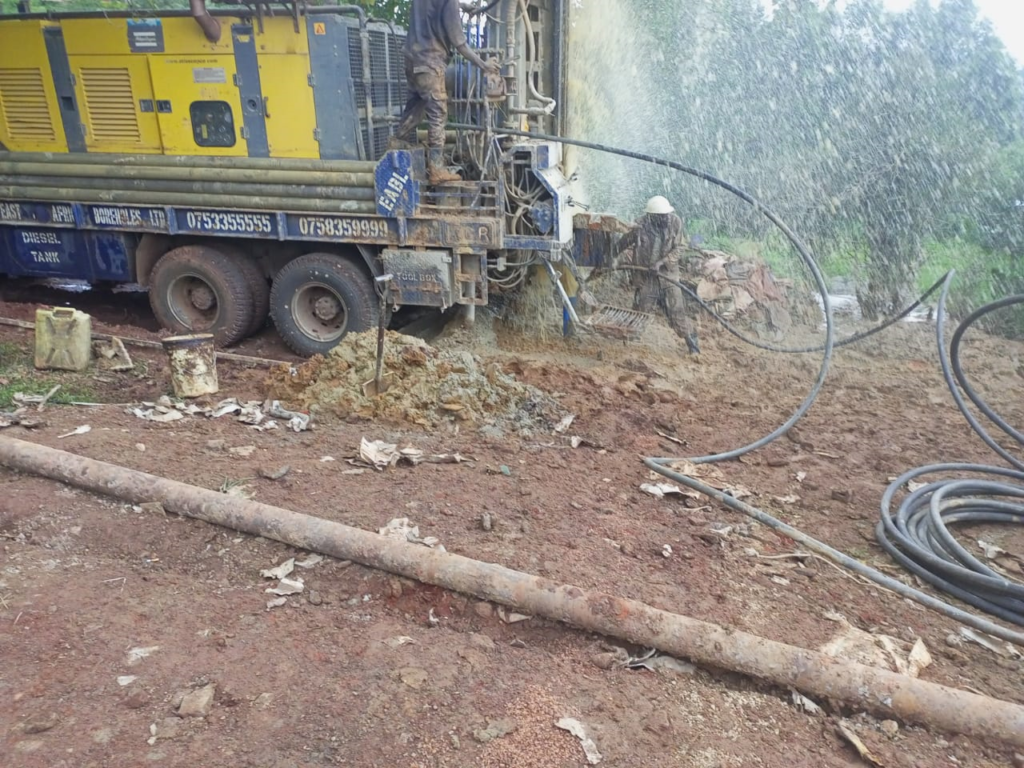
COMMUNITY BOREHOLES TO SUPPLY